Luxury aquatic lifestyle design
Build your private aquatic retreat oasis
Which pool structure suits your property best?
Reinforced concrete basins deliver unlimited customization capabilities, allowing architects to craft distinctive shapes that embrace the terrain’s natural contours. Gunite application creates a monolithic shell capable of supporting substantial loads, intricate tile mosaics, and sophisticated water features like vanishing edges or integrated spa areas.
Prefabricated fiberglass shells arrive ready for immediate installation, drastically shortening project timelines. The non-porous gel surface inhibits algae adhesion, ensuring smoother textures and reduced chemical requirements.
Modular polymer wall panels combined with custom-fit liners offer an adaptable solution for diverse budgets and climates. Modern bead-lock systems allow seamless pattern integration, while the smooth vinyl surface provides a soft tactile experience underfoot, minimizing the risk of skin irritation during active play.
Biological filtration zones utilize aquatic plants and gravel beds to purify water without harsh chemicals. This ecological approach creates a harmonious ecosystem, integrating the swimming area seamlessly into the surrounding garden vegetation.
Thermal regulation with efficient pumps
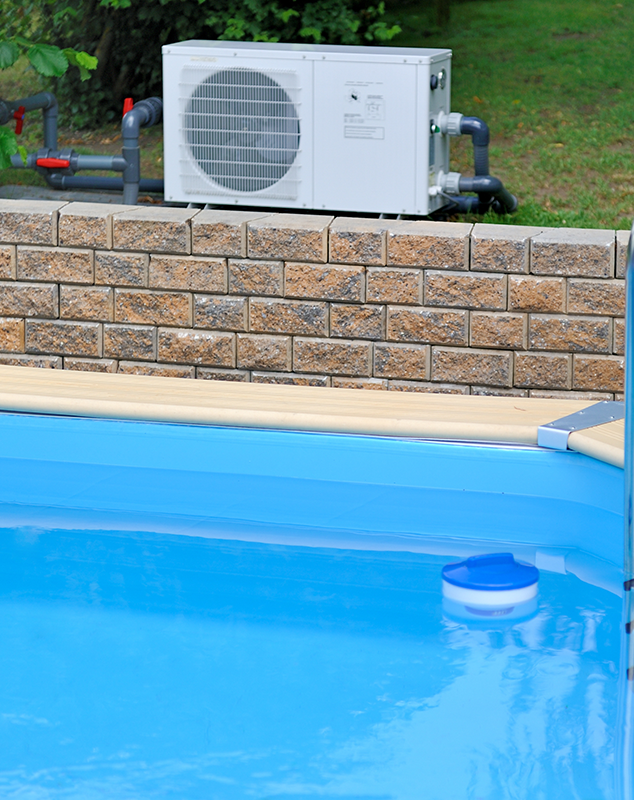
Inverter heat pumps extract ambient energy from the air to maintain comfortable water temperatures. These units adjust their compressor speed to match demand, significantly lowering electrical consumption compared to traditional heating systems.
Safety covers prevent accidents and heat loss
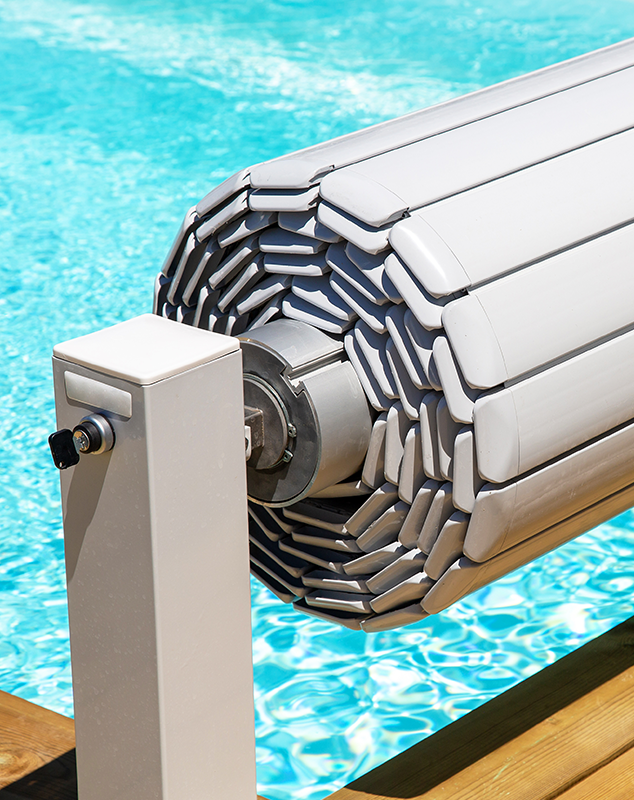
Polycarbonate slats glide silently across the water surface, creating a barrier capable of supporting significant weight while minimizing evaporation and retaining accumulated heat during cooler evening hours.
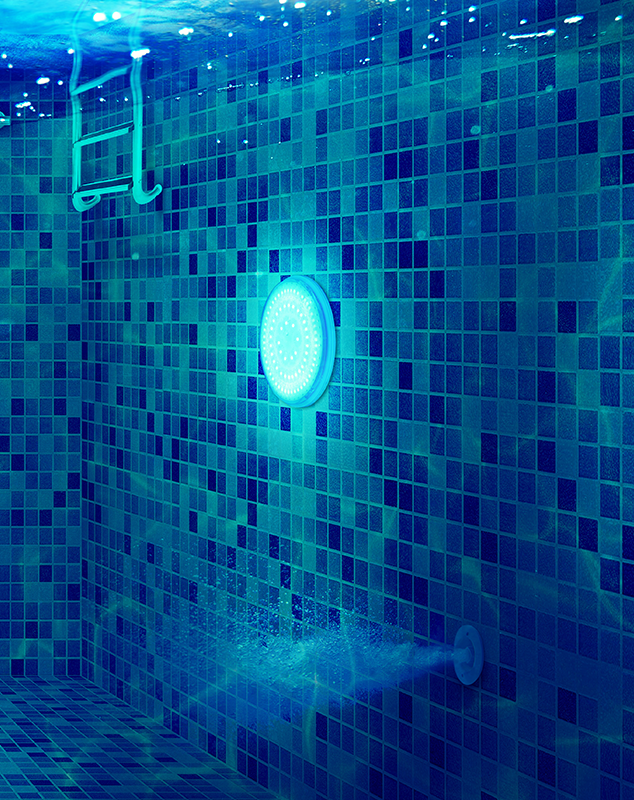
Transform your pool with LED lighting
Sealed optical units illuminate the basin interior, offering programmable color sequences and dynamic effects. Strategic placement highlights the water’s movement and enhances safety during evening swims without excessive energy consumption.
Sequential stages of pool installation
Site preparation determines the structure’s longevity, requiring precise excavation and ground leveling before any plumbing or reinforcement materials reach the designated zone. Heavy machinery shapes the earth to match the blueprint specifications.

Earthwork and digging
Excavators remove soil to precise depths, shaping the basin profile while respecting underlying geological constraints.

Hydraulic network setup
Technicians install pressure-resistant PVC pipes in trenches, connecting skimmers and returns to the filtration hub.

Structural frame assembly
Steel rebar grids reinforce the basin floor and walls, creating a rigid skeleton for concrete application.

Perimeter coping placement
Masons install non-slip border stones, sealing the pool edge and diverting runoff away from the water.
Filtration and treatment essentials
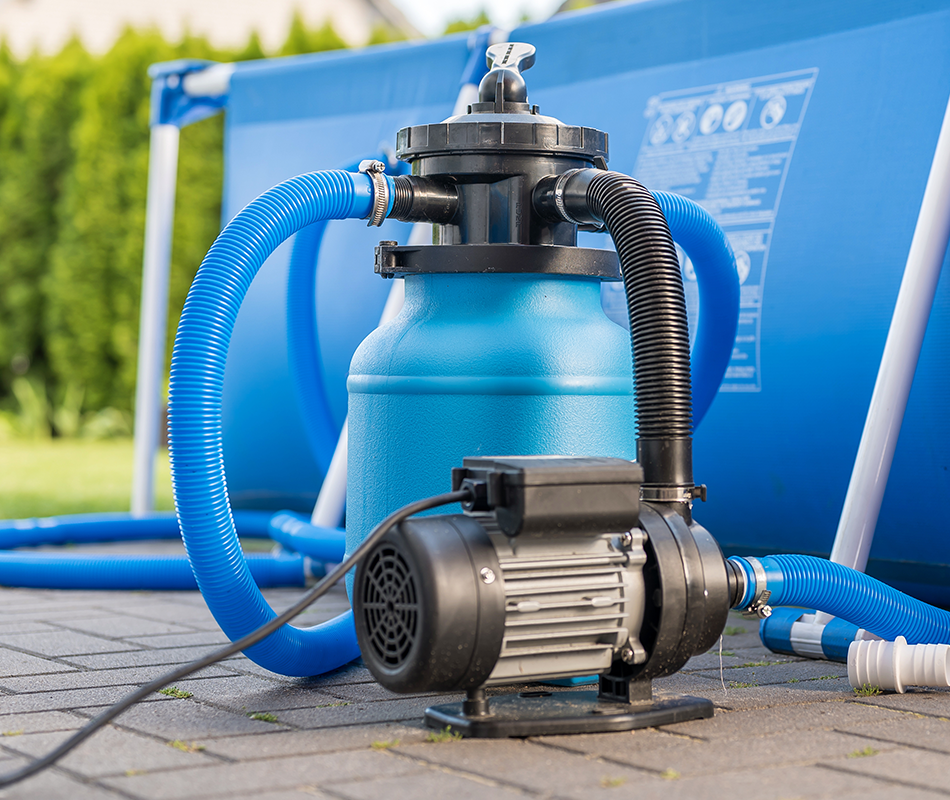
Variable speed pumps reduce energy costs
Modern pumps operate at lower RPMs for continuous filtration, reducing noise levels and cutting energy usage. Intelligent controllers adjust flow rates based on specific features like waterfalls or cleaning cycles.
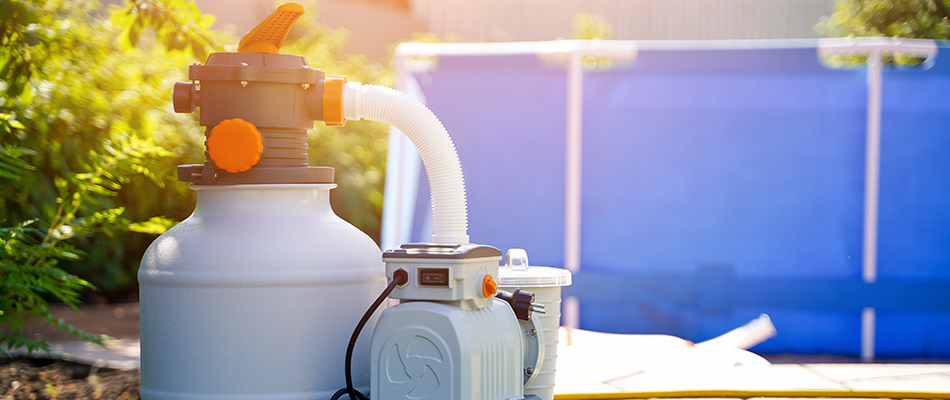
How salt electrolysis sanitizes water
Electrolytic cells convert dissolved salt into active chlorine, providing continuous sanitization without the harsh odor of traditional tablets. This process results in softer water that feels gentler on the skin and eyes. Sensors monitor production levels, automatically adjusting output to maintain perfect hygiene standards regardless of swimmer load.
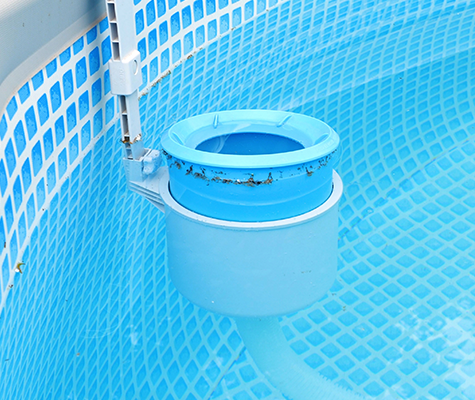
Cartridge versus sand media filtration
Pressurized vessels trap microscopic debris as water passes through specialized media layers. Regular backwashing or cartridge cleaning ensures optimal flow rates and prevents hydraulic pressure buildup within the system.
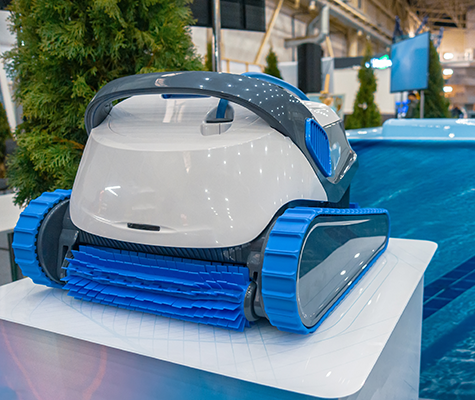
Automated robotic cleaning units
Independent submersible robots scrub floors and walls, collecting fine particulate matter in onboard canisters. Their intelligent mapping algorithms ensure total surface coverage, reducing the workload on the main filtration system. These devices operate autonomously, climbing vertical surfaces to scrub the waterline where oils accumulate.
Maintain chemical balance through routine testing
Water quality depends on a delicate equilibrium of pH, alkalinity, and sanitizer levels, requiring weekly testing to prevent corrosion or scaling. Neglecting these parameters can lead to cloudy water and damage expensive equipment components over time.
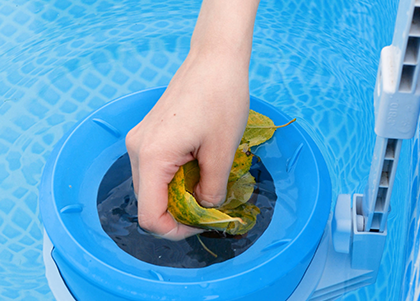
Skimmer basket clearing
Removing leaves prevents clogging in the suction line, ensuring the pump receives adequate water flow.
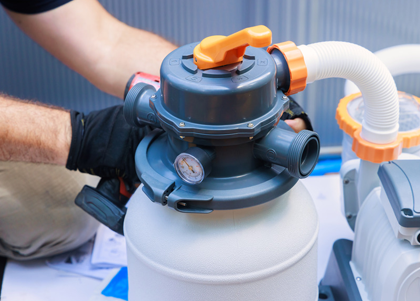
Filter pressure monitoring
Gauges indicate when cleaning is necessary, maintaining hydraulic efficiency and protecting the pump motor.
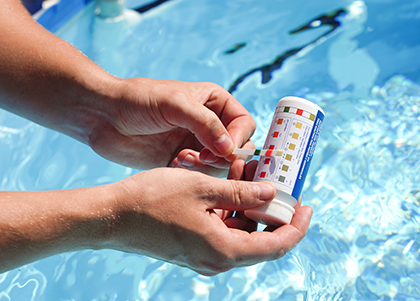
Water chemistry testing
Reagent kits reveal invisible imbalances, guiding precise dosage adjustments for safe and crystal-clear swimming conditions.
Integrate landscaping for aesthetic depth
Surrounding vegetation adds privacy and aesthetic depth, but species selection must consider leaf drop and root systems. Tropical palms or ornamental grasses provide lush visuals without contaminating the water, while strategically placed hardscapes like wooden decks or stone patios define sunbathing zones and transition areas.